 PH Mundial – Port Harcourt Online Newspaper News across the Niger Delta

Related Articles



By Godwin Chukwumaechi, Port Harcourt
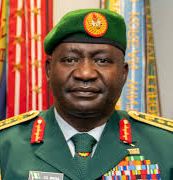
The Chief of Defence Staff (CDS), General Christopher Musa, on Wednesday inaugurated members of the Defence Joint Monitoring Team at the 6 Division, Nigerian Army Headquarters, with a charge on the Nigerian Military to ensure increase in crude oil production from the current 1.35 million barrels, to 2.2 million bpd, on or before December 2024.
He charged the team which comprises of the Army, Air Force and Navy to liaise with all security agencies and critical stakeholders in bringing oil bunkering and related crimes to an end in the Niger Delta region.
He explained that the essence of the taskforce was to ensure the security and production of crude oil within the Niger Delta adding that although the inaugurated team had already resumed operations in the Niger Delta, they were only being officially inaugurated to continue carrying out their assignments.
The CDS stated: “For the past weeks, we have been working to improve security and production of crude oil within the oil producing areas. Today, we inaugurated the Defence Joint Monitoring Team and later, we will also inaugurate the Defence Joint Infusion Centre.
“Today’s inauguration is to officially announce them to the public, but they have already started working for weeks now, and the essence is for them to see how they can assist in improving the performance of all the security agencies, all the stakeholders.
“The essence is for them to try and see where things are not done properly, where there are gaps they will advice and have improvement in this aspect. It’s going to be a holistic approach”.
General Musa warned the troops to be careful of saboteurs of the country’s assets, adding that any of them found wanting would be dealt with decisively.
“You are aware of the mandate of Mr. President, you must secure the oil producing areas; you must secure our oil facilities; you must ensure that the oil companies are able to produce maximally with a target of 2.2 million barrels per day between now and December, 2024.
“I want to thank members of the communities, the state government and all stakeholders within the oil producing areas. There have been tremendous improvements in security.
“We want to encourage them not to support anyone out there that wants to sabotage these efforts, we are going to be very decisive about it and anyone caught would be prosecuted.
“I want to use this medium to inaugurate you officially, you are to commence work as the Defence Joint Monitoring Team of the Armed Forces of Nigeria; you are to liaise and partner with all security agencies, stakeholders to ensure seamless collaboration”.
In his remarks, the chairman of the team, Major General Jal Jimoh, assured that his team would leave no stone unturned in engendering improved daily production of crude and surpassing the benchmark.
He thanked the Chief of Defence Staff for the confidence reposed in them, promising that his team would deliver their laid out task professionally.
“On behalf of the Joint Monitoring Team, I hereby send our gratitude to the Chief of Defence Staff for the confidence reposed in us. We promise to do our best to ensure that the terms of reference are well adhered to.
“We have started working already, we are already collaborating with troops on the ground and stakeholders.
“We will ensure that the volume of the oil production will not only rise on a daily basis, but it will ensure that production surpasses the expected volume”, Major General Jimoh pledged.