 PH Mundial – Port Harcourt Online Newspaper News across the Niger Delta


Related Articles


One of the activities of oil companies operating in the Niger Delta that has remained an issue of concern over the years is gas flaring.
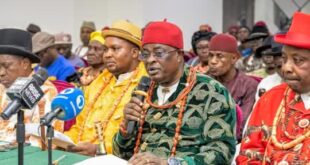
Recently, the international spokesman of the International Association of World Peace Advocates (IAWPA), Amb. Dr Emmanuel Nkweke, in an interview with newsmen in Harcourt, at the backdrop of the recently celebrated world water day, spoke on the impact of gas flaring in the Niger Delta and his association’s resolve to sustain the campaign against global warming and advocacy for glacier protection that formed the theme for this year’s world water day celebration.
He laments that governments of the Niger Delta states are not taking the issue of gas flaring seriously despite the unprofessional practice contributing to global warming and exposing residents of the region to health risks such as cancer, excessive heat, environmental degradation, among others.
The IAWPA spokesman insists that the oil companies should be held accountable for their actions.
Q: Could you throw more light on this year’s world water day which your association commemorated in Port Harcourt?
A: The International Association of World Peace Advocates is joining the United Nations and the global community to celebrate the world water day. Interestingly, the global event is themed glacier protection. How do we protect the glaciers? How do we protect our ocean? The issue of water is attracting international attention and the world peace advocates as a body is going to help the international community to scale up advocacies that have to do with the protection of the glacier region. Our organization, we’re not sleeping, we’re not going to fold our hands. The eminent peace ambassadors that were honoured, it’s to hand over to them some responsibilities that have to do with the protection of our waterways and anything that has to do with our coastal areas. That’s exactly our message.
There are concerns that global warming is melting glaciers, causing frequent flooding. In the Niger Delta here, gas flaring is also contributing to global warming. Has IAWPA tried to call the attention of the oil companies and the government to this menace?
We have made a lot of effort to that direction. We have called the attention of government. IAWPA is a member of United Nations Environment Programme where we discuss issues about environment and one of the major things is global warming. The atmosphere in the Niger Delta here – the extent of heat is very high. Unfortunately, the government of Rivers State is very docile about it. No matter how you write them, no matter how you invite them for discussion, they will not attend, they will not respond to you. We have called the attention of government to that direction. Go to Omoku, you will see gas flaring in Igweocha. Go to Bonny, you will see gas flaring; go to Degema, you will see gas flaring, both offshore and onshore. There’s this constant flaring of gas in Niger Delta heating up the environment. Indices have equally shown that a lot of people are suffering from cancer in this region because of gas flaring.
Q: What does IAWPA want the government to do about this issue?
A: Summon all the companies that are involved and let them pay for it. You pay for the environment damage. How do you calculate our carbon footprint? Can’t you install carbon zinc to extract carbon from the atmosphere? It may be very expensive but can’t you even make an attempt? But governments in Niger Delta, particularly the South South, they’re very docile; they need education.
This non-challant attitude by Niger Delta governments and the oil companies appears to expose the need for more action from groups such as yours and other concerned stakeholders. What’s IAWPA’s next line of action to get its voice heard on this issue?
The world environment program is coming up in Kenya in May. This issue, we’ll discuss about it. This issue of Niger Delta experiencing gas flaring: what is the impact of the international community? Can’t you address it? If the government of Nigeria is very docile about it, what can they do as an international community? This will dominate our discussions in Kenya in May.