 PH Mundial – Port Harcourt Online Newspaper News across the Niger Delta


Related Articles

By Gloria Ngozi Udofia
Rivers State has long stood as a politically significant part of Nigeria. However, recent events have placed her in the spotlight for unsavoury reasons. A deepening internal crisis among top political figures has raised concerns not just within the state, but across the country. The conflict largely rooted in disagreements over control, loyalty, and leadership has triggered a series of disruptive events that has affected both governance and everyday life.
What began as a quiet disagreement between influential figures has become a full-blown political standoff. Public exchanges, factional battles, and disruptions in the government processes have created a sense of uncertainty. Development projects have slowed down, making the atmosphere become politically charged.
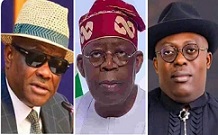
At the centre of it all is a clash between the sitting governor and other powerful figures, both inside and outside the state, many of whom once worked closely together. As the conflict escalates, it is the ordinary people of Rivers State who bear the weight of stalled governance.
The first clear casualty of the crisis is political stability. Decisions that affect daily governance are now caught up in internal power tussles. With leadership divided, the sense of continuity and focus in the state has been disrupted.
Equally significant is the degradation of public trust. Many citizens are left stunned as it becomes evidently clear that the interest of the people is no longer a priority. The visible disunity has created doubt and has discouraged confidence in the ability of the political class to work together for the greater good.
Despite the challenges, there are also important shifts happening. The crisis has awakened a sense of political awareness among the public. More citizens are asking questions, engaging in political discourse and developments in the state and demanding better accountability from incumbents.
It has also forced political actors and citizens alike to be more introspective in their acceptance of allegiances and reassessing the purpose of their loyalties. In the long run, this could open the door for fresh leadership voices and more transparent political practices,if handled with care.
Crises like this are not new in politics, but their outcome depends largely on how they are managed. Rivers State stands at a crossroad continue down a path of division and distrust, or return to the table with a renewed sense of duty to the people.
Resolving this crisis will require more than backroom deals and cowering down to the undue influence of godfatherism. Progress will take dialogue and a clear commitment to restoring order and focus. Governance must once again become about service to the people and not struggle or personal interest.
If the lessons of this period are taken seriously, Rivers State may emerge more resilient, more self-aware, and better prepared for the future…but time, and the choices of those in power, will tell.
Udofia, media consultant and public affairs analyst, sent in this piece from Port Harcourt