 PH Mundial – Port Harcourt Online Newspaper News across the Niger Delta

Related Articles

By Paul Williams
Gas company, NLNG says it is intensifying its drive to reduce methane emissions, by embedding prevention measures into its facility design, upgrading existing assets, and commissioning new technologies.
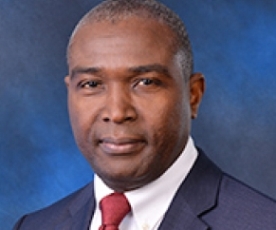
NLNG’s Managing Director and Chief Executive Officer, Philip Mshelbila, speaking during a high-level panel session at the 2025 Gastech Confereence in Milan, Italy on Thursday, Mshelbila said that central to the company’s efforts was the installation of a new boil-off gas compressor system, now nearing completion, which will capture and re-inject methane into the value chain.
He said the renewed focus reflects NLNG’s long-standing position as a market leader, noting that the company, whi6 began operations about 26 years ago to mitigate Nigeria’s high level of gas flaring, has since cut the country’s flaring volumes by more than 40% through the capture and monetisation of associated gas.
Mshelbila said that NLNG is expanding its legacy to align with international best practices, such as the OGMP 2.0 standard, where the company has achieved Gold Standard for two consecutive years based on its demonstration of a clear plan towards achieving the highest levels of accuracy in methane emissions quantification using the OGMP framework (Level 5).
He added that NLNG has invested significant resources in building a robust framework to understand and manage methane emissions.
“We know our baseline, we know where the leaks occur, and we measure whether our interventions are working. But the bigger challenge is how we get others in the industry to do the same. No single operator can solve this problem alone,” he said.
He stressed the central role of prevention in managing methane emission, and urged the industry to prioritise smarter plant design, improved pipelines and facilities, and timely upgrades to reduce fugitive leaks from brownfield assets.
The NLNG boss noted that about 40% of global methane emissions occur naturally, primarily from wetlands and oceans, adding that the remaining 60% stems from other human activities, with agriculture contributing the largest share at 40%..
He further noted that oil and gas operations were responsible for just about 21% of total global methane emissions, adding that if emissions from agriculture and waste are not addressed, gains made in the oil and gas industry would be limited. He stressed that the oil and gas industry must however lead by example.
Mshelbila agreed that solutions exist with investment and commitment, but, cautioned that there are some barriers as well.
“The technology is available, but not everyone can afford it. Financing, particularly for smaller operators, is a major hurdle. And in many developing countries, policies and regulatory frameworks for methane are far less developed than those for carbon dioxide. These are gaps the global industry must urgently close,” he said.
The NLNG Managing Director called for stronger partnerships across the energy value chain, ranging from financing models that enable smaller operators to invest, to the sharing of knowledge on new technologies such as satellite-based detection systems.
Now, in its 53rd edition, the Gastech Conference is the world’s largest and most influential platform for natural gas, LNG, hydrogen, low-carbon solutions, and climate technologies.
The 2025 edition, held in Milan from 9–12 September, convened global leaders, experts, and innovators to forge partnerships and showcase solutions that are shaping the energy transition.